Does Cyber Essentials require a VPN?
Not directly. Cyber Essentials does not mandate a VPN, but under v3.3 any remote access to internal systems must use multi-factor authentication and strong encryption. A VPN is one common way to meet that requirement; it is not the only way.
Section 01
Does Cyber Essentials require a VPN?
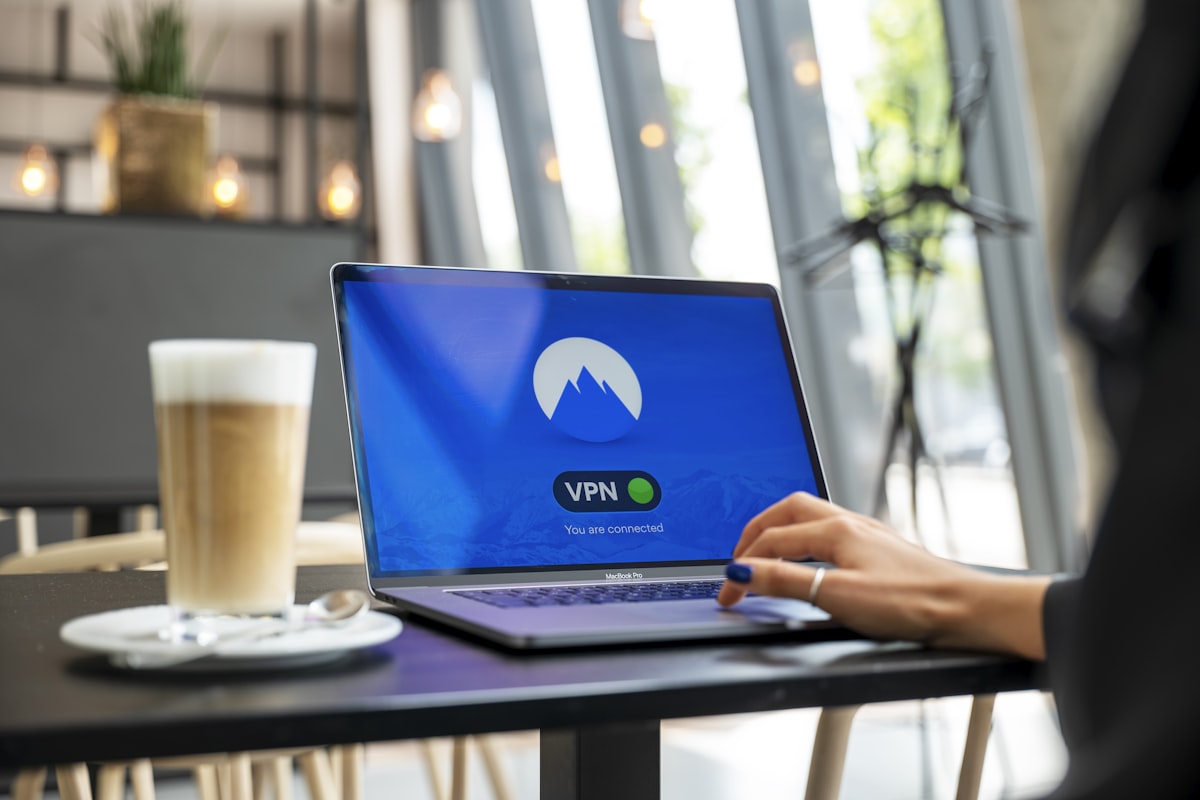
No - Cyber Essentials does not require a VPN. Under v3.3, the scheme requires any remote access to internal systems to use multi-factor authentication and strong encryption. A VPN is one common way to meet that requirement; it is not the only way.
Section 02
What v3.3 actually requires for remote access
- MFA on all remote access paths to corporate systems and cloud services in scope.
- No direct exposure of internal services (RDP, management interfaces, file servers) to the public internet.
- Strong encryption (TLS 1.2+, or equivalent).
- Phishing-resistant MFA for admin accounts when accessing admin functions remotely.
See the User Access Control pillar guide for the full detail.
Section 03
Where a VPN is a good solution
- Accessing on-premises servers or file shares from outside the office.
- Presenting a consistent egress IP for allow-listing.
- Protecting traffic on untrusted networks.
- Legacy applications that assume a trusted LAN.
A well-configured VPN with MFA satisfies the remote-access control cleanly.
Section 04
Where a VPN is not needed
Cloud-first organisations that access all corporate services through Microsoft 365, Google Workspace, or SaaS tools - with identity-provider MFA enforced via Conditional Access - meet the v3.3 remote-access bar without a VPN at all. The identity provider becomes the enforcement point rather than the network boundary.
This is increasingly common for:
- SaaS SMEs with no internal infrastructure
- Fully remote-first businesses using Zero Trust / conditional-access patterns
- Organisations that have already retired legacy LAN-dependent applications
Section 05
Where Zero Trust / Conditional Access replaces the VPN
Microsoft Entra ID Conditional Access, Okta, and Google Workspace Context-Aware Access can enforce:
- MFA per sign-in
- Device-compliance requirement (MDM-enrolled, encrypted, patched)
- Risk-based blocks for unusual locations or impossible travel
- Phishing-resistant MFA for admin roles
Configured properly, this provides stronger authentication and authorisation than a traditional VPN with a shared password plus one-time code. IASME assessors accept it as a full substitute for the remote-access control.
Section 06
VPN rules that still apply to remote workers
Regardless of whether a VPN is in place:
- Home-office routers are in scope under v3.3 (default passwords changed, firmware current).
- MFA on email and cloud services is required for everyone.
- Admin accounts require phishing-resistant MFA.
See Cyber Essentials for remote and hybrid workforces for the complete remote-work scope.
Section 07
Bottom line
Cyber Essentials does not require a VPN. It requires MFA and strong encryption on any remote-access path, and no direct internet exposure of internal services. A VPN is one way to meet that; identity-provider-enforced Conditional Access is another. Both pass the v3.3 assessment cleanly.
Start Cyber Essentials from £299.99 + VAT | MFA for Cyber Essentials v3.3 | Free readiness check
About the author

Jay Hopkins
Managing Director, Fig Group
Jay Hopkins is the Managing Director of Fig Group and an IASME-licensed Cyber Essentials assessor. He was previously Head of Technology for a global regulated firm. He works with UK organisations across regulated sectors on baseline compliance, supply-chain assurance, and AI-augmented security tooling.
Next step
Want to see how Fig handles this?
Discover how Fig helps organisations prepare for security assessments and maintain ongoing compliance.
Request a demoRelated guides
Continue reading

Technical Guides
Multi-factor authentication for Cyber Essentials v3.3: the complete pillar guide
MFA is the single most common reason Cyber Essentials v3.3 submissions fail. This pillar explains which accounts need MFA, which methods are acceptable, and how to implement it across Microsoft 365, Google Workspace, and line-of-business SaaS.
Read article
Guides
Cyber Essentials Bradford: a practical certification guide
Bradford businesses with several sites or different working teams should agree the Cyber Essentials scope before collecting answers. A certificate based on a head-office assumption can be difficult to use accurately if the organisation’s warehouse, workshop or remote staff operate through different systems.
Read article
Guides
Does Cyber Essentials protect against ransomware?
Cyber Essentials materially reduces ransomware risk but does not eliminate it. The five controls - patching, MFA, malware protection, user access control, and firewalls - block the common initial-access routes for ransomware, but post-intrusion response requires additional controls.
Read article